Why Toys R Us Really Failed (It Wasn't Amazon)
Short answer: Toys R Us did not simply lose to online shopping. It was already the biggest toy retailer on Earth when a 2005 deal changed what the company owed and to whom. Here is the rise, the peak, and the question the Amazon story never answers.
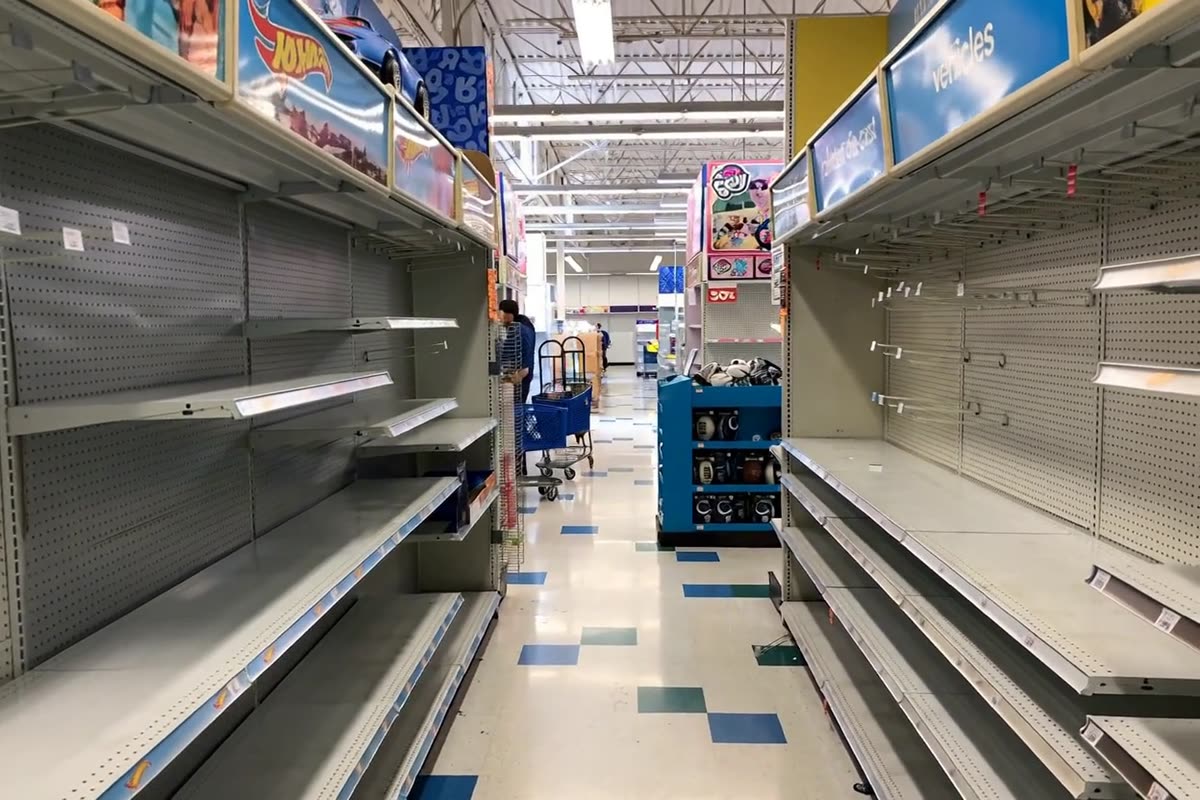
There was a place almost every American kid knew by heart. It had a giraffe at the door, aisles that seemed to stretch forever, and the feeling that you could want anything in the world and it might be on one of those shelves. For seventy years, that place was Toys "R" Us. Then, in 2018, almost nine hundred stores were gone within months.
From baby furniture to category killer
The story starts in 1948 in Washington, D.C., with Charles Lazarus, who ran a small shop called Children's Supermart selling cribs and high chairs. He noticed that families bought a crib once, but bought toys constantly. Furniture was a one-time sale. Toys were a relationship.
In 1957, in Rockville, Maryland, he opened a store that sold only toys, stocked floor to ceiling, open all year. He named it Toys "R" Us, with the R written backward as if a child had done it. At the time that was strange: toy stores were small and seasonal. Retail analysts would later call this model a "category killer."
Geoffrey the Giraffe first appeared in a TV commercial in 1973. The company went public in 1978, and in the 1980s the "I don't wanna grow up, I'm a Toys R Us kid" jingle became inescapable. By 1990 the American toy business had grown from about five hundred million dollars in 1950 to about twelve billion.
The peak
At its height the chain ran about 1,450 stores worldwide, held roughly a quarter of the global toy market, and stocked up to 18,000 different toys per store. In 2001 it opened a Times Square flagship with a sixty-foot indoor Ferris wheel and a life-size animatronic dinosaur. This was not a company catching up to a changing world. This was the company that had already won.
Where the usual story falls short
By the early 2000s, Walmart and Target were selling toys at prices so low that a toy-only store could not compete on price alone. That pressure was real. But it does not explain why a profitable market leader disappeared. In 2005, three firms that had little to do with toys, Bain Capital, KKR and the real estate company Vornado, bought the company for about 6.6 billion dollars.
How that purchase was financed, and what it meant for every year that followed, is the single most important fact in the story. We walk through it in the video, along with what it did to the stores, the staff, and the shelves.
The ending
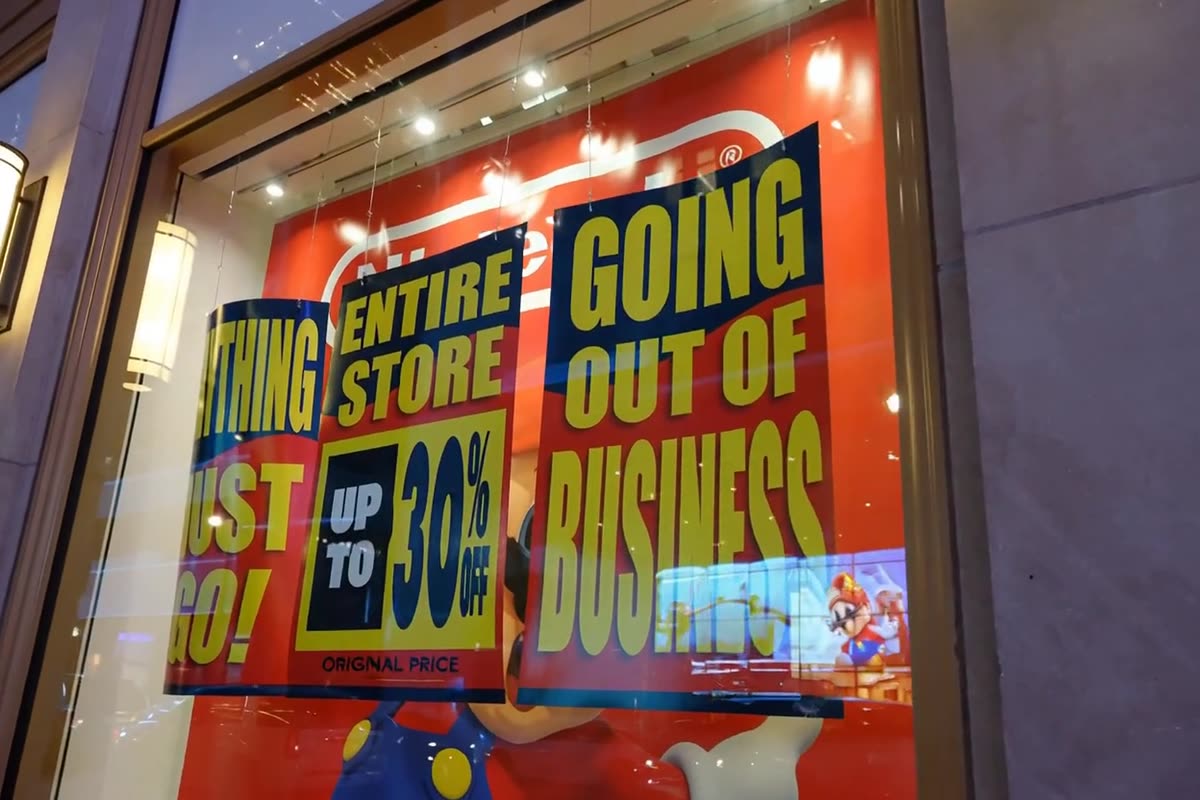
Toys R Us filed for Chapter 11 in March 2017. Charles Lazarus died the same month, after seventy years in business. In 2018 the company closed hundreds of stores in the United States and many more around the world. A handful of smaller stores reopened later, but the version most people remember is gone.
The full explanation, with the numbers, is in the video above. It runs about 16 minutes.
Watch the full video on YouTube →FAQ
Why did Toys R Us really go bankrupt?
Online competition and Walmart and Target pricing were real pressures, but they are not the whole story. A 2005 leveraged buyout by Bain Capital, KKR and Vornado changed the company's finances for the following twelve years. Our video explains how.
When did Toys R Us close?
The company filed for Chapter 11 bankruptcy in March 2017 and closed or sold its US stores in 2018.
How big was Toys R Us at its peak?
About 1,450 stores worldwide, roughly a quarter of the global toy market, and up to 18,000 different toys per store.
Who founded Toys R Us?
Charles Lazarus, who started with a baby furniture store in Washington, D.C. in 1948 and opened the first toy-only store in Rockville, Maryland in 1957.
New rise and fall stories drop regularly on the channel. If you like this kind of history, subscribe so you do not miss the next one.
Subscribe to Icarus Paradox →Want the full checklist behind this story?
"What the Giants Got Wrong" is an $8 PDF with eight real business failures (Blockbuster, Kodak, Toys R Us, Borders, Nokia, BlackBerry, Gurgel and Yugo), the warning signs, and what to do in your own business. Educational, with no promise of results.
Get the guide ($8, PDF) →Not ready to buy? Download the free 14-warning-signs checklist (PDF).
Keep reading
More from our channels
Jairo Oliva Jofer
Digital nomad. Brazilian living in Serbia. Jairo writes honest, no-fluff guides on earning real income online with AI, and tells rise and fall stories of companies and technologies on the Icarus Paradox channel. See all guides →