Why Blockbuster Really Failed (It Wasn't Netflix)
Short answer: Blockbuster did not simply lose to Netflix. It saw the threat coming, built the right weapon to fight it, and then, according to the full story, the company's own leadership took that weapon apart. Here is the timeline, and the question the usual version never answers.
If you grew up in the nineties or the early two-thousands, you know the feeling. A car pulling into a parking lot on a Friday night, a parent turning around to ask who wants to pick the movie, and a unanimous yes from the back seat. For millions of families that trip was the best part of the week.
The rise: a rental store that felt safe
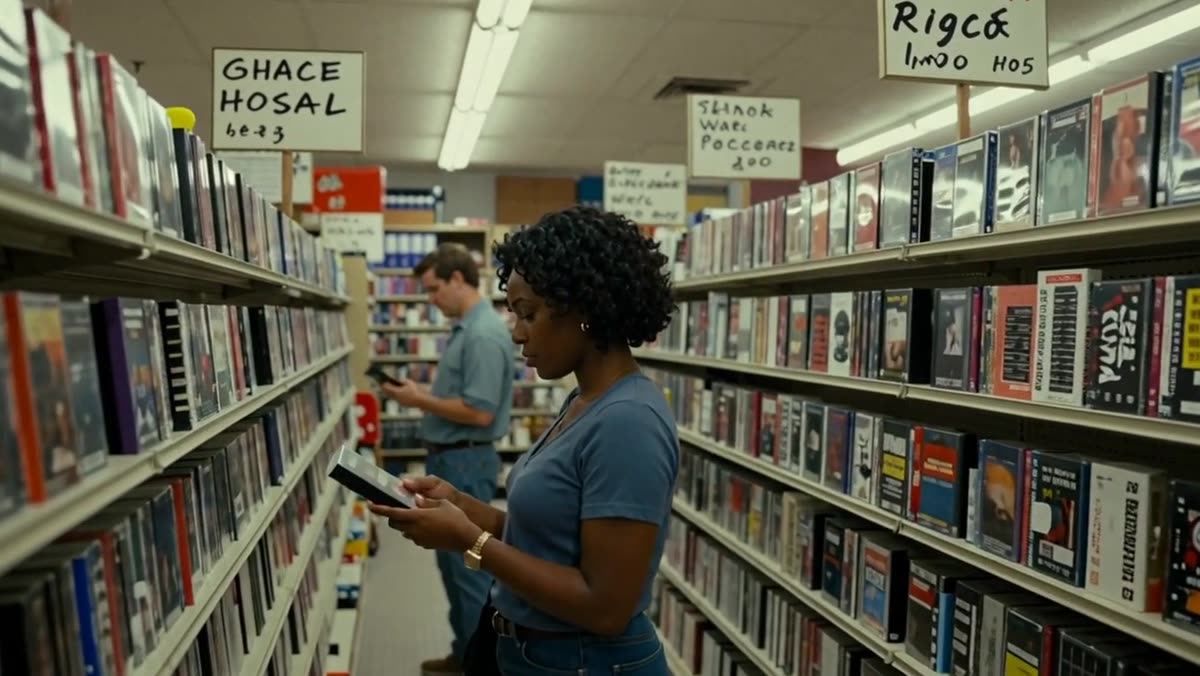
Blockbuster opened its first store in Dallas in October 1985. The idea was simple: a video rental shop that did not feel like the cramped, seedy places most people were used to. Bright lights, wide aisles, thousands of tapes sorted by genre. Families could walk in together.
It worked almost immediately. Through the early 1990s the company bought up competitors and opened stores at a pace that is hard to picture today. At its peak it had more than nine thousand stores in over two dozen countries and roughly eighty-four thousand employees. "Let's go rent a movie" basically meant "let's go to Blockbuster."
The meeting that became a legend
In 2000, Netflix was a small DVD-by-mail startup losing around fifty million dollars a year, in the middle of the dot-com crash. Co-founders Reed Hastings and Marc Randolph flew to Dallas and offered Blockbuster a deal: Netflix would run Blockbuster's online business, and Blockbuster would promote Netflix in its stores. The price was fifty million dollars.
Blockbuster's CEO, John Antioco, turned it down. The story is usually told as a punchline, but in context it was not an absurd call. It looked like discipline: an unproven business model, a company burning cash, and an internet bubble wiping out firms twice its size. The mistake that mattered, as the video explains, came later.
What most people get wrong
The popular version is a tidy two-act play: Netflix arrives, Blockbuster fails to adapt, Blockbuster dies. The record is messier. Blockbuster did build an answer to Netflix, a program that let customers rent by mail and swap discs in the store. It was real, it was growing, and it was working.
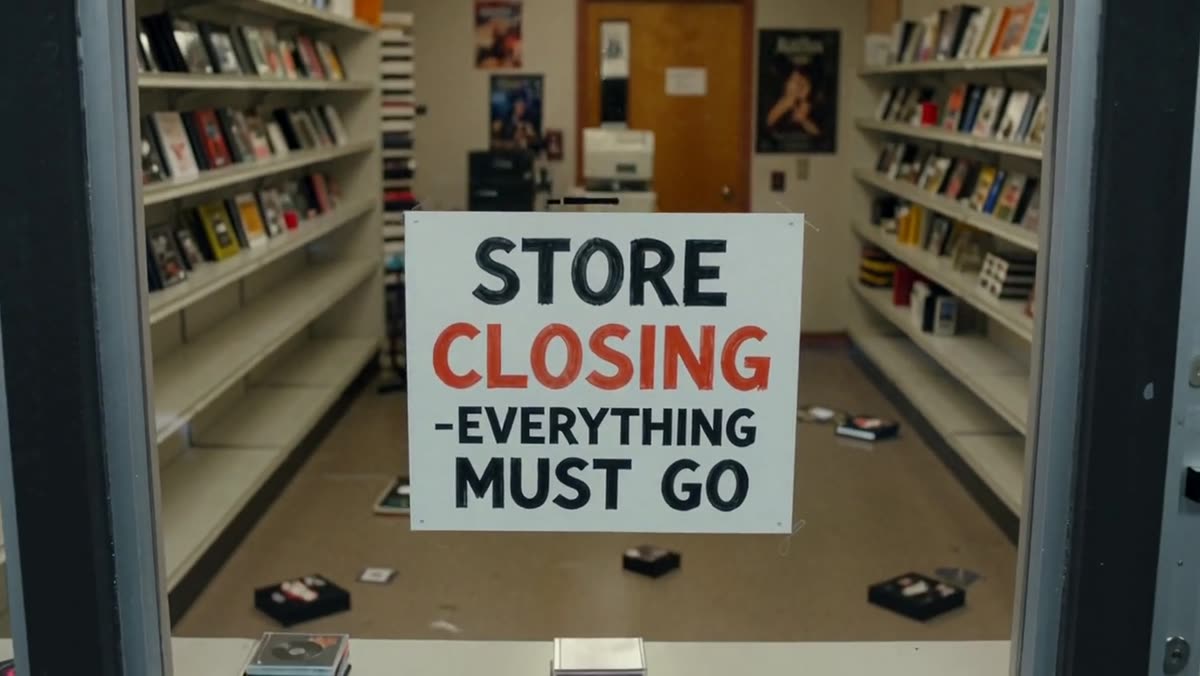
What happened next involved a fight in the boardroom, a change of leadership, and a decision about what to do with that program. That is the part the short versions skip, and it is the part that explains why a company with nine thousand stores ended up filing for bankruptcy in 2010.
Why this story is worth knowing
Blockbuster is the textbook example people reach for when they talk about companies that "did not see it coming." This one did see it coming. That changes the lesson from "watch for disruption" to something harder: what happens when the people running a company disagree about how to respond to a threat they all understand.
We tell the full version, with the timeline and the people involved, in the video above. It is about 13 minutes.
Watch the full video on YouTube →FAQ
Why did Blockbuster really fail?
The common answer is that Netflix beat it. The fuller story is that Blockbuster built a competitive answer to Netflix and then lost it through internal decisions at the top of the company. The full explanation is in our video.
Did Blockbuster really turn down Netflix for $50 million?
Yes. In 2000, Netflix co-founders Reed Hastings and Marc Randolph met Blockbuster leadership in Dallas and proposed that Netflix run Blockbuster's online business for about fifty million dollars. CEO John Antioco declined.
How big was Blockbuster at its peak?
More than nine thousand stores in over two dozen countries and roughly eighty-four thousand employees around 2004.
When did Blockbuster go bankrupt?
Blockbuster filed for Chapter 11 bankruptcy protection in 2010.
New rise and fall stories drop regularly on the channel. If you like this kind of history, subscribe so you do not miss the next one.
Subscribe to Icarus Paradox →Want the full checklist behind this story?
"What the Giants Got Wrong" is an $8 PDF with eight real business failures (Blockbuster, Kodak, Toys R Us, Borders, Nokia, BlackBerry, Gurgel and Yugo), the warning signs, and what to do in your own business. Educational, with no promise of results.
Get the guide ($8, PDF) →Not ready to buy? Download the free 14-warning-signs checklist (PDF).
Keep reading


More from our channels
Jairo Oliva Jofer
Digital nomad. Brazilian living in Serbia. Jairo writes honest, no-fluff guides on earning real income online with AI, and tells rise and fall stories of companies and technologies on the Icarus Paradox channel. See all guides →